
நவீன சுகாதார கண்காணிப்புக்கு விரல் நுனி டிஜிட்டல் பல்ஸ் ஆக்சிமீட்டர் ஏன் அவசியம்?
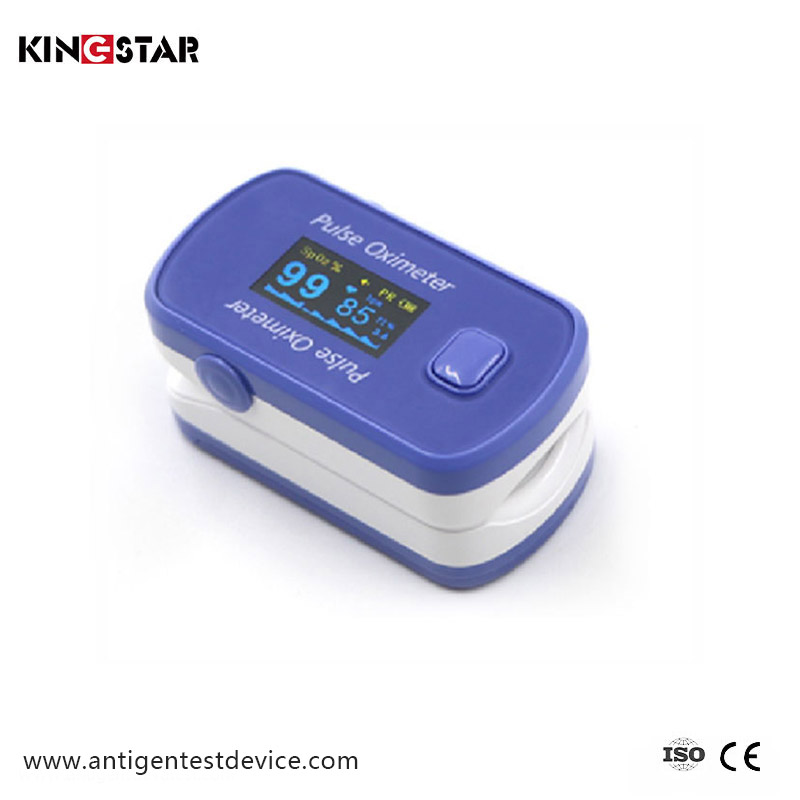
A Fingertip Digital Pulse Oximeter has become one of the most practical health monitoring devices for families, clinics, fitness enthusiasts, and elderly users. This article explains how it works, why it matters, how to choose the right model, and what users should know before buying and using one.
Article Summary
The Fingertip Digital Pulse Oximeter is a compact medical monitoring device designed to measure blood oxygen saturation levels (SpO2) and pulse rate quickly and non-invasively. As personal healthcare awareness continues to grow, this device has become increasingly popular in homes, hospitals, sports centers, and emergency care environments.
In this comprehensive guide, you will learn:
- How a fingertip pulse oximeter works
- Why oxygen monitoring is important
- Who should use this device
- How to choose the best model
- Common mistakes users make
- Maintenance and accuracy tips
- Industry applications and future trends
Table of Contents
- 1. What Is a Fingertip Digital Pulse Oximeter?
- 2. How Does a Pulse Oximeter Work?
- 3. Why Is Oxygen Saturation Monitoring Important?
- 4. Major Benefits of Fingertip Pulse Oximeters
- 5. Who Needs a Fingertip Digital Pulse Oximeter?
- 6. Key Features to Consider Before Buying
- 7. Fingertip Pulse Oximeter vs Traditional Monitoring Devices
- 8. How to Use a Fingertip Pulse Oximeter Correctly
- 9. Common User Mistakes and Solutions
- 10. Maintenance and Cleaning Tips
- 11. Industry and Healthcare Applications
- 12. Future Trends in Pulse Oximeter Technology
- 13. Frequently Asked Questions
- 14. Conclusion
1. What Is a Fingertip Digital Pulse Oximeter?
A Fingertip Digital Pulse Oximeter is a portable electronic device that measures oxygen saturation in the blood and pulse rate through the finger. It provides fast readings within seconds and is widely used for home healthcare monitoring.
The device typically includes:
- LED display screen
- Infrared sensors
- Automatic reading system
- Battery-powered operation
- Compact finger clip structure
Most modern units are lightweight, easy to carry, and suitable for both professional and personal use.
Important: Blood oxygen saturation levels generally range between 95% and 100% in healthy individuals.
2. How Does a Pulse Oximeter Work?
The device works using light absorption technology. Two wavelengths of light pass through the fingertip to detect oxygen levels in the blood.
Oxygenated and deoxygenated blood absorb light differently. The device calculates the percentage of oxygen saturation based on these light absorption patterns.
| Component | Function |
|---|---|
| LED Light | Sends red and infrared light through the finger |
| Sensor | Detects light absorption levels |
| Processor | Calculates oxygen saturation and pulse rate |
| Display Screen | Shows real-time readings |
3. Why Is Oxygen Saturation Monitoring Important?
Oxygen is essential for every organ in the body. Low oxygen saturation levels can indicate respiratory problems, cardiovascular issues, or poor circulation.
Monitoring oxygen levels helps users:
- Detect early signs of breathing difficulties
- Track chronic respiratory conditions
- Monitor recovery after exercise
- Improve athletic performance tracking
- Support elderly healthcare management
Regular monitoring can provide valuable information for preventive healthcare and daily wellness management.
4. Major Benefits of Fingertip Pulse Oximeters
Fast Results
Most devices provide accurate readings within 5–10 seconds.
Portable Design
Compact size makes it easy to carry while traveling or exercising.
Non-Invasive Monitoring
No needles or blood samples are required.
Affordable Healthcare Tool
Provides valuable health insights at a relatively low cost.
5. Who Needs a Fingertip Digital Pulse Oximeter?
This device is suitable for many user groups.
| User Group | Benefits |
|---|---|
| Elderly Individuals | Helps monitor respiratory and circulation health |
| Athletes | Tracks oxygen efficiency during training |
| Patients with Respiratory Conditions | Supports regular oxygen level monitoring |
| Travelers | Useful at high altitudes |
| Home Care Users | Provides convenient daily health tracking |
6. Key Features to Consider Before Buying
Not all pulse oximeters offer the same quality and functionality. Buyers should evaluate several important factors before purchasing.
Display Quality
OLED displays are easier to read and often support multi-direction viewing.
Accuracy Level
Reliable devices should deliver stable and consistent readings.
Battery Life
Long battery life ensures uninterrupted operation.
Build Quality
Durable materials improve device longevity.
Additional Functions
- Pulse waveform display
- Low battery alerts
- Automatic shutdown
- Bluetooth connectivity
- Data storage capabilities
7. Fingertip Pulse Oximeter vs Traditional Monitoring Devices
| Feature | Fingertip Pulse Oximeter | Traditional Devices |
|---|---|---|
| Portability | Excellent | Limited |
| Ease of Use | Very Simple | May Require Training |
| Cost | Affordable | Higher Cost |
| Reading Speed | Fast | Moderate |
| Home Use | Highly Suitable | Less Convenient |
8. How to Use a Fingertip Pulse Oximeter Correctly
Correct usage is essential for accurate readings.
- Wash and dry your hands before use.
- Remove nail polish or artificial nails.
- Place your finger fully inside the device.
- Remain still during measurement.
- Wait for stable readings to appear.
- Record results if necessary.
Tip: Cold fingers and excessive movement may affect measurement accuracy.
9. Common User Mistakes and Solutions
| Mistake | Solution |
|---|---|
| Using cold hands | Warm hands before testing |
| Moving during testing | Stay still until reading stabilizes |
| Testing under bright light | Reduce strong environmental light |
| Ignoring low battery warnings | Replace batteries regularly |
| Improper finger placement | Insert finger fully into the sensor area |
10. Maintenance and Cleaning Tips
Proper maintenance extends the lifespan of the device.
- Clean the sensor area regularly
- Use alcohol wipes for disinfection
- Store in a dry environment
- Avoid dropping the device
- Replace batteries when needed
- Keep away from extreme temperatures
Routine care ensures consistent performance and hygiene.
11. Industry and Healthcare Applications
Fingertip Digital Pulse Oximeters are widely used in multiple industries.
Hospitals and Clinics
Healthcare professionals use them for rapid patient assessment and routine monitoring.
Sports and Fitness
Athletes use pulse oximeters to evaluate oxygen efficiency during intense exercise.
Home Healthcare
Families increasingly rely on home monitoring devices for daily wellness management.
Outdoor Activities
Mountain climbers and hikers often use these devices at high altitudes where oxygen levels are lower.
12. Future Trends in Pulse Oximeter Technology
Technological innovation continues to improve the user experience and functionality of pulse oximeters.
- Wireless smartphone integration
- AI-powered health analysis
- Cloud data synchronization
- Improved sensor accuracy
- Longer battery performance
- Wearable health monitoring systems
As healthcare technology evolves, pulse oximeters are expected to become smarter, more connected, and more user-friendly.
13. Frequently Asked Questions
Can a fingertip pulse oximeter replace professional medical equipment?
Home-use pulse oximeters are useful for monitoring but should not replace professional medical diagnosis or hospital-grade equipment.
What oxygen saturation level is considered normal?
Healthy individuals typically have SpO2 levels between 95% and 100%.
Does nail polish affect readings?
Yes. Dark nail polish or artificial nails may interfere with light transmission and reduce accuracy.
How often should I use a pulse oximeter?
Usage depends on personal health conditions and monitoring needs.
Can children use fingertip pulse oximeters?
Some models are suitable for children, but finger size compatibility is important.
14. Conclusion
The Fingertip Digital Pulse Oximeter has become an essential healthcare companion for modern lifestyles. Its portability, convenience, fast readings, and user-friendly design make it valuable for home healthcare, sports monitoring, elderly care, and professional medical environments.
Choosing the right device involves understanding key features such as display quality, accuracy, durability, and ease of use. With proper usage and maintenance, a high-quality pulse oximeter can provide reliable monitoring support for years.
As healthcare awareness continues to rise globally, demand for advanced oxygen monitoring devices will likely keep growing across both consumer and professional markets.
Looking for reliable and high-quality Fingertip Digital Pulse Oximeter solutions? KINGSTAR INC is committed to delivering innovative healthcare monitoring products designed for accuracy, durability, and user convenience.
Contact us today to learn more about our healthcare device solutions and professional support services.
விசாரணையை அனுப்பு



X
உங்களுக்கு சிறந்த உலாவல் அனுபவத்தை வழங்கவும், தள போக்குவரத்தை பகுப்பாய்வு செய்யவும் மற்றும் உள்ளடக்கத்தைத் தனிப்பயனாக்கவும் நாங்கள் குக்கீகளைப் பயன்படுத்துகிறோம். இந்தத் தளத்தைப் பயன்படுத்துவதன் மூலம், எங்கள் குக்கீகளைப் பயன்படுத்துவதை ஒப்புக்கொள்கிறீர்கள்.
தனியுரிமைக் கொள்கை